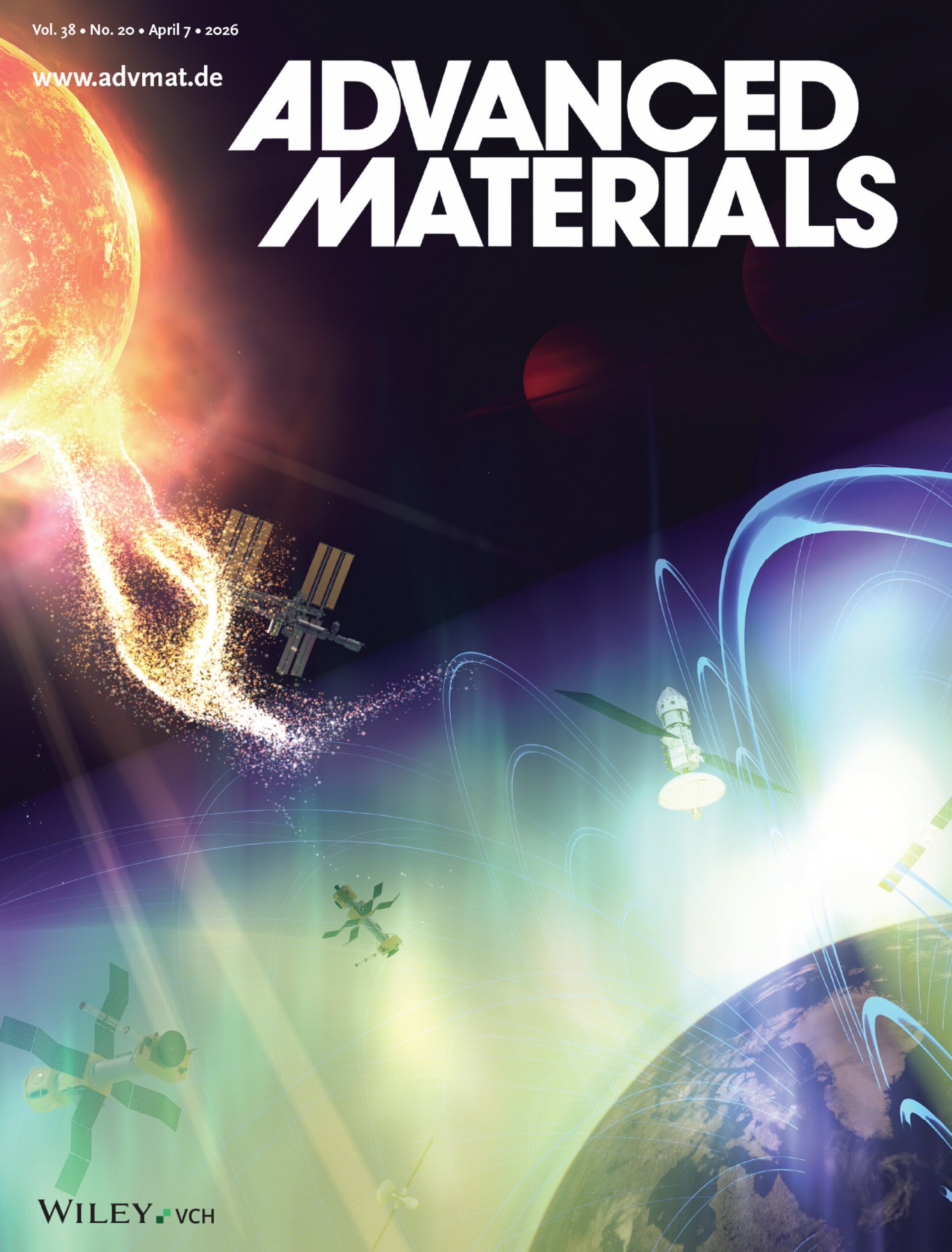
A team of researchers from Montanuniversität Leoben, including the Chairs of Nonferrous Metallurgy, Material Physics, and Physical Metallurgy, as well as international collaborators in the US and UK, has unveiled an ultrafine‑grained aluminum crossover alloy that endures radiation beyond Earth’s Van Allen belts, outperforming previous aluminum materials. The fine-grained alloy, designed at the Chair of Nonferrous Metallurgy and fabricated using severe plastic deformation at the Erich-Schmid Institute, resists defect accumulation, with issues only above 75 displacements per atom (dpa), whereas conventional alloys degrade around 0.2 dpa. Micro‑tensile tests at the Chair of Material Physics further confirmed retained strength up to at least 20 dpa and increased ductility at the highest doses, overcoming typical radiation embrittlement issues. Crucially, the unique infrastructure of the Department of Materials Science at Montanuniversität Leoben enabled processing and advanced characterization that made these results possible. The stable T‑phase hardening particles at the core of this alloy family underpin a lightweight, strong, radiation‑resistant solution for deep‑space missions.
Publication:
Willenshofer, P. D. et al.: Radiation-Resistant Aluminium Alloy for Space Missions in the Extreme Environment of the Solar System. Advanced Materials (2025). https://doi.org/10.1002/adma.202513450 (Artikel) https://doi.org/10.1002/adma.72925 (Innencover)